Tartan Vitalis
Weaving your life deliberately
Why Small Habits Carry More Weight Than Big Goals
Introduction
Goals point forward, but systems determine whether you can get there without collapse. When designing support structures, scale matters less than repeatability. This piece examines why small habits do more structural work than ambitious plans.
Big goals are attractive because they feel meaningful.
They give direction. They create aspiration. They promise change.
But big goals are structurally weak if they’re not supported by small habits.
Goals point forward.
Habits hold the present.
When everything is organised around distant outcomes, the day-to-day experience often feels disconnected. You’re either “on track” or “behind”, motivated or discouraged.
Small habits change this.
They bring intention into ordinary moments. They anchor progress in what’s repeatable rather than what’s impressive.
In a woven structure, no single thread carries the whole design. Strength comes from accumulation — from many small passes made consistently.
Small habits work quietly. They don’t demand energy; they conserve it. They allow movement without constant decision-making.
This is why habit design matters more than habit ambition.
A habit you can maintain on tired days is worth more than one you abandon under pressure.
Conclusion
Durability is built in small increments. Stewardship is less about aiming higher and more about designing what can be sustained.
Reflection
Which of your goals would benefit from being translated into something smaller and repeatable?
WELCOME TO OUR BLOG
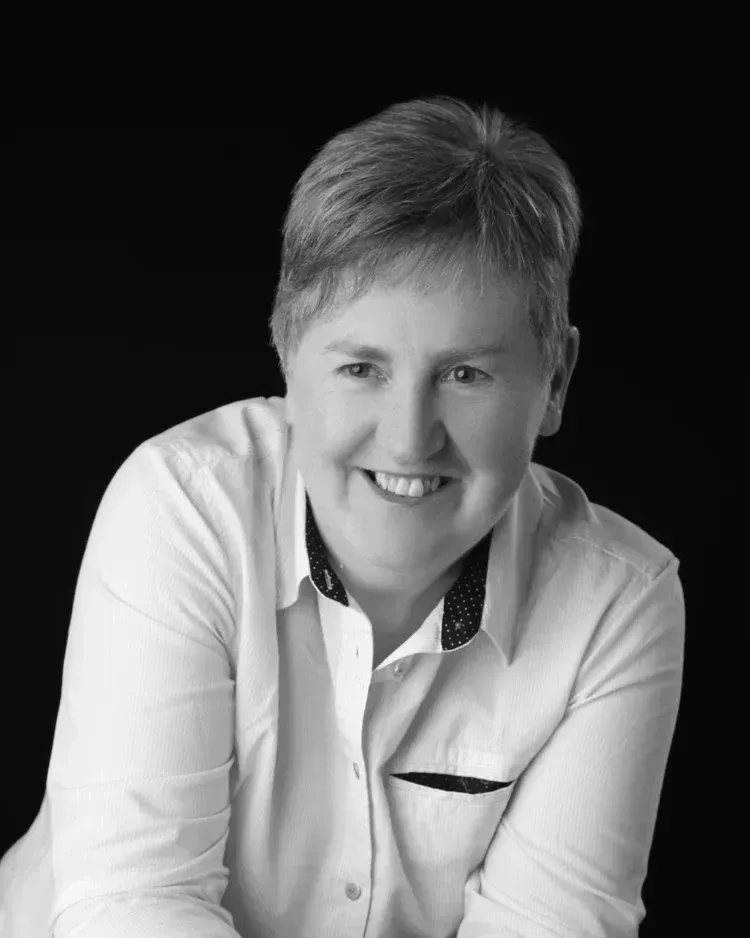
Audrey Finch is the writer behind Tartan Vitalis, a personal growth platform exploring mindset, habits, and mindful living. Her work approaches growth as craft — designed deliberately, adjusted thoughtfully, and sustained over time.
The framework
The Tartan Vitalis framework rests on five structural conditions: Coherence, Regulation, Capacity, Commitment, and Judgement. These aren't personality traits or behavioural tendencies. They're conditions — states that can be assessed, understood, and deliberately improved.
The weaving metaphor carries the whole thing. A life is always being woven — every decision a thread, every commitment a pattern, every default left unexamined a choice made without being noticed as one. The loom either holds the weight or it doesn't. The conditions determine which.
"Stability has to come before growth. Building faster doesn't fix foundations — it hides them."
That's the core argument. Everything else in the books follows from it.
The work
Tartan Vitalis is currently a three-book series.
Setting the Loom — the first book — examines the five structural conditions and what it takes to establish them firmly enough that the life built on top of them holds.
The second and third books follow the arc from stability through building to direction and will be coming soon.
Alongside the books, the Loom Diagnostic offers a free structural self-assessment — 25 statements across five domains, designed to give an accurate picture of current structural conditions rather than a personality type or a mood reading.
JOIN MY MAILING LIST
About this series:
This is part of the thinking explored in my book Setting the Loom: Becoming Stable Enough to Build (Tartan Vitalis, 2026), which examines the structural conditions that allow a life to remain coherent under pressure.