Tartan Vitalis
Weaving your life deliberately
Designing Habits You Don’t Have to Fight
Introduction
Well-designed systems do not rely on constant resistance. They work with reality rather than against it. This piece explores habit design as an act of environmental stewardship — reducing friction so effort can be applied where it matters most.
If a habit requires constant resistance, it’s poorly designed.
Most habit advice focuses on effort: accountability, tracking, willpower. But effort is a finite resource. Good design is not.
Well-designed habits work with your energy rather than against it. They fit your actual life — not the one you imagine having later.
This requires honesty.
Not about what you should do — but about:
when you have energy
when you don’t
what’s realistic under pressure
Habits that align with reality feel supportive rather than demanding. They become part of the structure rather than another task to manage.
Designing habits isn’t about control. It’s about friction reduction. Removing unnecessary barriers so that consistency becomes the default.
When habits are designed well, they don’t need motivation. They simply happen.
That’s when the weave strengthens.
Conclusion
When habits no longer require struggle, they stop draining energy and start preserving it. That is design doing its quiet work.
Reflection
Which habit would become easier if it were redesigned instead of forced?
WELCOME TO OUR BLOG
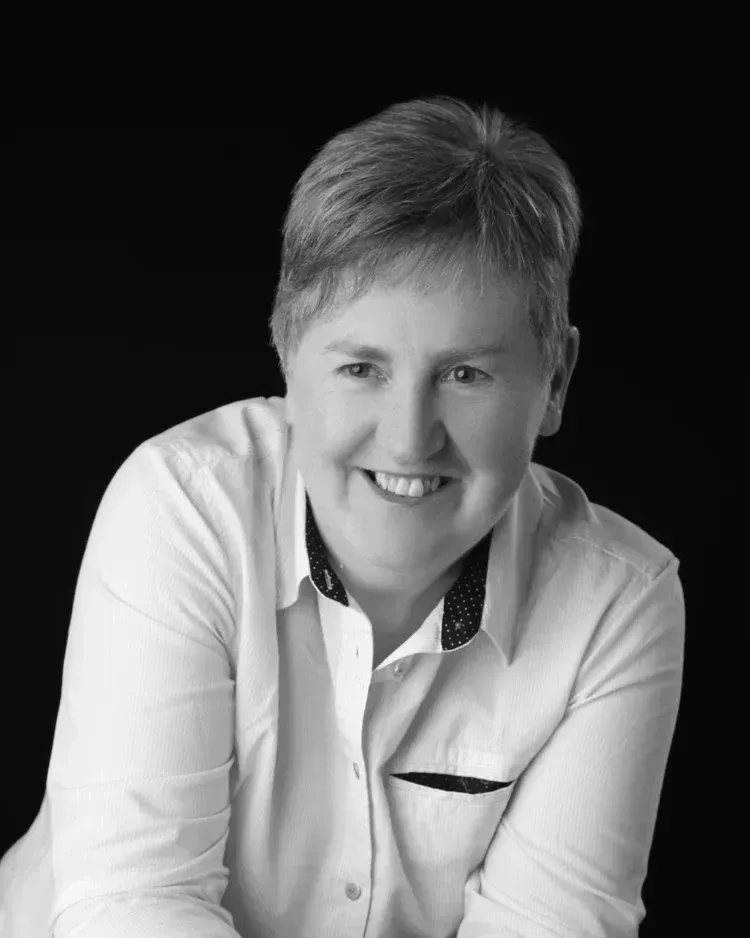
Audrey Finch is the writer behind Tartan Vitalis, a personal growth platform exploring mindset, habits, and mindful living. Her work approaches growth as craft — designed deliberately, adjusted thoughtfully, and sustained over time.
The framework
The Tartan Vitalis framework rests on five structural conditions: Coherence, Regulation, Capacity, Commitment, and Judgement. These aren't personality traits or behavioural tendencies. They're conditions — states that can be assessed, understood, and deliberately improved.
The weaving metaphor carries the whole thing. A life is always being woven — every decision a thread, every commitment a pattern, every default left unexamined a choice made without being noticed as one. The loom either holds the weight or it doesn't. The conditions determine which.
"Stability has to come before growth. Building faster doesn't fix foundations — it hides them."
That's the core argument. Everything else in the books follows from it.
The work
Tartan Vitalis is currently a three-book series.
Setting the Loom — the first book — examines the five structural conditions and what it takes to establish them firmly enough that the life built on top of them holds.
The second and third books follow the arc from stability through building to direction and will be coming soon.
Alongside the books, the Loom Diagnostic offers a free structural self-assessment — 25 statements across five domains, designed to give an accurate picture of current structural conditions rather than a personality type or a mood reading.
JOIN MY MAILING LIST
About this series:
This is part of the thinking explored in my book Setting the Loom: Becoming Stable Enough to Build (Tartan Vitalis, 2026), which examines the structural conditions that allow a life to remain coherent under pressure.